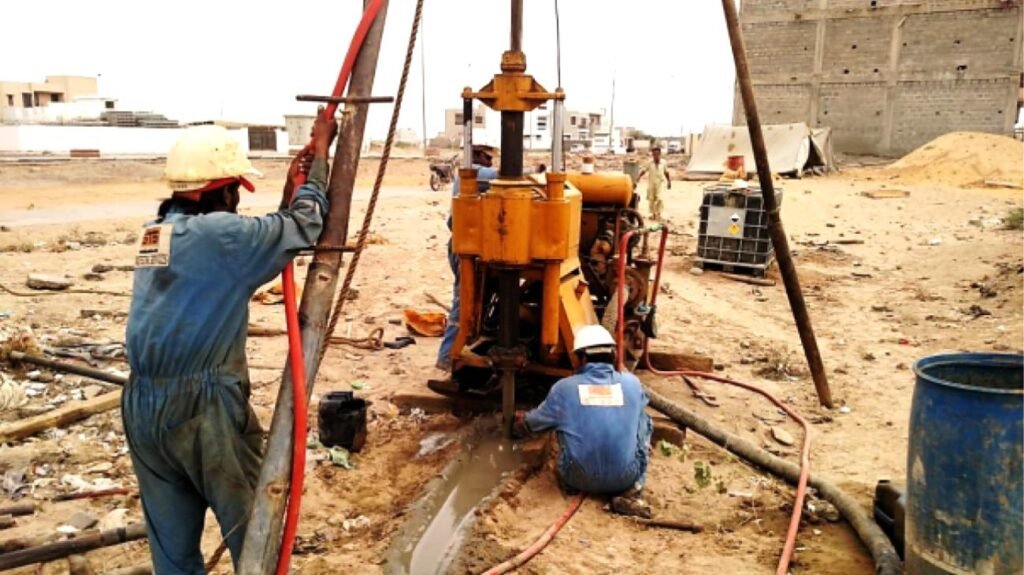
Ensuring Reliable Performance for Long-Lasting Structures
Soil is one of the most important elements in any construction project because it serves as the foundation for buildings, roads, bridges, and other structures. The strength and stability of a structure largely depend on the condition and properties of the soil beneath it. At ST Labs, professional soil testing services help engineers, contractors, and builders evaluate soil quality to ensure safe, durable, and cost-effective construction projects. Without proper soil testing, construction projects may face serious issues such as foundation settlement, cracks, structural instability, and drainage problems. By conducting detailed soil analysis before construction begins, project risks can be significantly reduced. Advanced laboratory equipment and standardized testing methods are used to deliver accurate and reliable soil testing results.

Every construction site has different soil conditions, and understanding those conditions is essential for building strong and stable structures. Soil testing helps determine whether the ground can safely support the intended load of a structure.
The major benefits of soil testing include:
- Ensures safe and stable foundation design
- Reduces the risk of structural failure
- Helps identify soil bearing capacity
- Prevents excessive settlement and cracks
- Supports cost-effective construction planning
- Improves drainage and moisture management
- Ensures compliance with engineering standards
Proper soil testing allows engineers to make informed decisions and choose the right construction techniques for each project.
Common Types of Soil Tests
Several tests are performed to evaluate the engineering properties of soil used in construction projects.
1. Moisture Content Test
This test determines the amount of water present in the soil. Moisture content affects soil strength, compaction, and stability.
2. Compaction Test
The compaction test measures the density of soil after compaction. Properly compacted soil provides better support for foundations and pavements.
3. California Bearing Ratio (CBR) Test
The CBR test evaluates the load-bearing capacity of soil, especially for road and pavement construction projects.
4. Atterberg Limits Test
This test determines the plasticity and consistency of fine-grained soils, helping engineers understand how soil behaves under different moisture conditions.
5. Grain Size Analysis
Grain size analysis identifies the distribution of soil particles such as sand, silt, and clay. This helps classify the soil and determine its engineering characteristics.
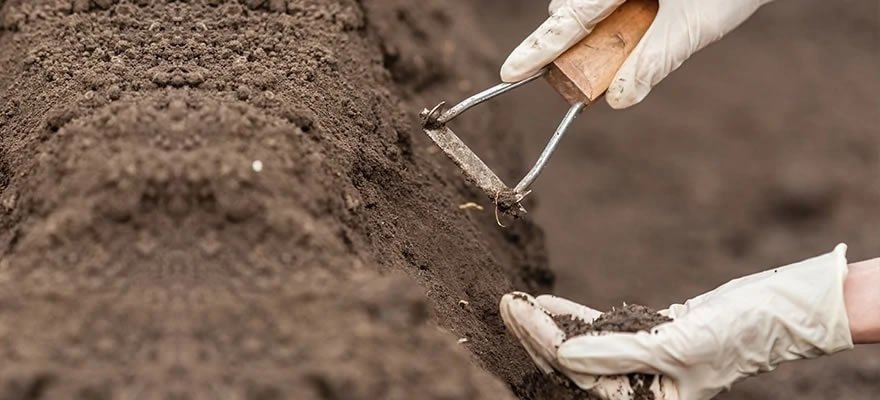
Professional soil testing laboratories use modern equipment and internationally accepted testing procedures to provide precise and dependable results. At ST Labs, experienced professionals conduct detailed soil investigations to help ensure construction quality, safety, and long-term structural performance. Accurate soil testing not only enhances structural stability but also minimizes costly repairs and project delays caused by unsuitable ground conditions. Tests such as moisture content, compaction, CBR, and grain size analysis provide valuable information about soil behavior and foundation suitability. With professional testing services from ST Labs, contractors and engineers can confidently build safer, stronger, and more durable structures while ensuring compliance with engineering standards and construction best practices.