Strengthening Construction Through Reliable Material Testing
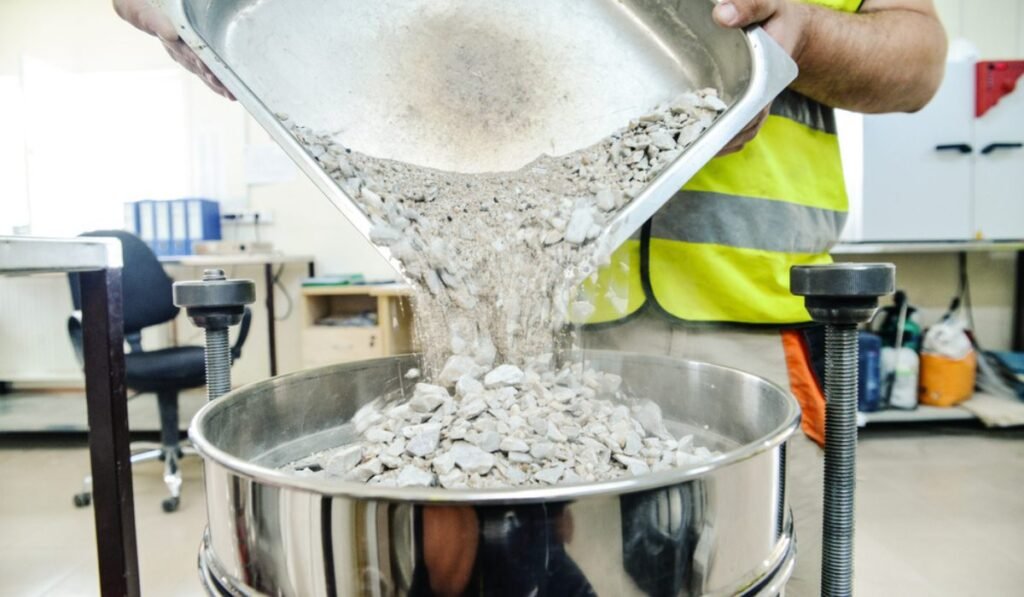
Aggregates are one of the most important components used in construction projects, including concrete, asphalt, roads, bridges, and foundations. The quality of aggregates directly affects the strength, durability, and performance of a structure. Poor-quality aggregates can lead to cracks, reduced load-bearing capacity, and premature structural failure. At ST Labs, professional aggregate testing services help ensure that construction materials meet engineering standards and provide long-lasting structural performance. The evaluation of physical and mechanical properties of aggregates such as sand, gravel, and crushed stone used in construction. These tests help determine whether the materials are suitable for specific engineering and construction applications.
Aggregates are widely used in concrete production and road construction because they provide strength and stability to structures. Testing helps identify properties such as particle size distribution, strength, durability, water absorption, and resistance to wear and impact. At ST Labs, advanced laboratory procedures and modern testing equipment are used to ensure accurate and reliable aggregate analysis for construction projects.
Importance of Aggregate Testing
Using high-quality aggregates is essential for ensuring the safety and durability of construction projects. Weak or contaminated aggregates can reduce the strength of concrete and pavements, leading to structural problems and increased maintenance costs.
Aggregate testing provides several important benefits, including:
- Ensures strength and durability of construction materials
- Improves the performance of concrete and asphalt
- Reduces the risk of structural failures
- Confirms compliance with engineering standards
- Enhances resistance against weather and wear
- Supports long-lasting infrastructure development
Proper testing allows engineers and contractors to select suitable aggregates for specific construction applications and environmental conditions. Professional testing laboratories use internationally recognized standards and advanced equipment to provide accurate results. At ST Labs, experienced professionals conduct detailed aggregate testing to help contractors, consultants, and engineers maintain construction quality and structural safety. Accurate testing ensures that only suitable materials are used in construction projects, reducing the chances of failures, costly repairs, and maintenance issues in the future.
Common Types of Aggregate Tests
Several laboratory tests are performed to determine the quality and performance of aggregates.
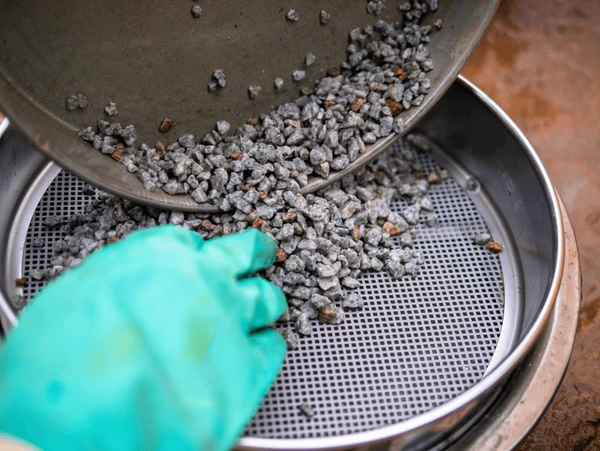
1. Sieve Analysis Test
This test determines the particle size distribution of aggregates using standard sieves. Proper gradation is important for achieving strong and durable concrete and asphalt mixtures.
2. Aggregate Crushing Value Test
This test measures the resistance of aggregates against crushing under gradually applied loads. It helps evaluate the strength of aggregates for road and concrete construction.
3. Impact Value Test
The impact value test determines the toughness of aggregates and their ability to resist sudden impact or shock loads.
4. Water Absorption Test
This test measures the amount of water absorbed by aggregates. Excessive water absorption can weaken concrete and reduce durability.
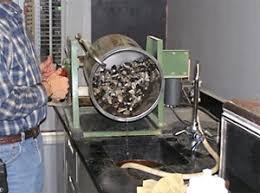
5. Los Angeles Abrasion Test
The abrasion test evaluates the resistance of aggregates to wear and surface friction, especially for road construction applications.
Aggregate testing is a critical process in ensuring the strength, stability, and durability of construction materials and infrastructure projects. Tests such as sieve analysis, crushing value, impact value, and abrasion resistance provide valuable insights into the quality and performance of aggregates. With professional testing services from ST Labs, builders and engineers can confidently use high-quality materials that contribute to safer, stronger, and more durable structures.